Direct Answer
The best blogging platforms include WordPress.org (best for flexibility and SEO), Blogger (simple and free from Google), Tumblr (ideal for microblogging), and Medium (great for reaching an existing audience). Other notable options are Wix, Squarespace, Ghost, and Joomla, each offering unique features for different needs, from personal journals to professional business sites.
Thinking about starting a blog in 2026? You are not alone. Whether you want to share daily stories, teach people a skill, or build a business, picking the right home for your words is the biggest step.
But if you look online, the choices can feel endless. Some platforms are completely free and ready to use in five minutes. Others give you total control over your design but require a bit of technical setup. Some even help you get paid directly by your readers.
With so many options out there, how do you find the one that actually fits your goals?
We did the hard work for you. Here is our complete, up-to-date look at the 50 most popular blogging platforms this year to help you find your perfect match.
What is Blogging?

The blogging career gives you full control over the work. There is no one to give you instructions, watch every moment, and scold you. You can work as you like from anywhere and anytime you want.
If you decide to start a blog, the next question arises. Which platform should you choose?
We all know about WordPress, Blogger, Tumblr, and other numerous platforms. Most of us started with Google-owned Blogger, as it is easy to use and free.
Unfortunately, Google Blogger lacks many features compared to other blog sites. It lags far behind WordPress regarding features, customization, themes, etc. However, we can’t say WordPress is the sole choice for starting a new blog. Tumblr, Medium, and Joomla are other alternatives to WordPress for joining the blogging field.
50 Best Blogging Platforms (Free Blog Sites)
These are the 50 most popular blogging platforms on the web,
1. WordPress.org

WordPress is a popular option with amazing features, unlimited themes, and plugins to manage every part of the website.
If you want full control over your blog, WordPress is what you should use. It is free software, but you have to pay for your own web hosting.
You can change how everything looks, add online stores, and put ads anywhere. It takes a little time to learn, but it is worth it if you want to build a serious website.
2. Blogger
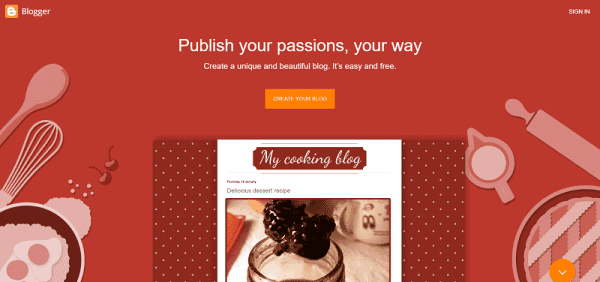
This is a blog-publishing service from Google. All blogs are hosted at blogspot.com. If you have a domain address, it can be used to replace the default URL.
Users can create any number of blogs, up to 100, in a single account. But Blogger themes are very limited in number. It also doesn’t support plugins, and you can only perform most customizations through coding.
3. Tumblr

Tumblr is a mix of a blog and social media. It is heavily focused on pictures, short text, and sharing things quickly.
If you want to post funny pictures, art, or short thoughts, it is perfect. You do not own it like a self-hosted site, but it is very easy to use and has a fun community built right in.
4. WordPress.com

This is the easier version of WordPress. You do not have to buy separate hosting because they handle it for you.
WordPress.com is great for beginners who want to get started fast. The downside is that you have less control. If you want to use custom plugins or run certain ads, you have to pay for their expensive monthly plans.
5. Medium
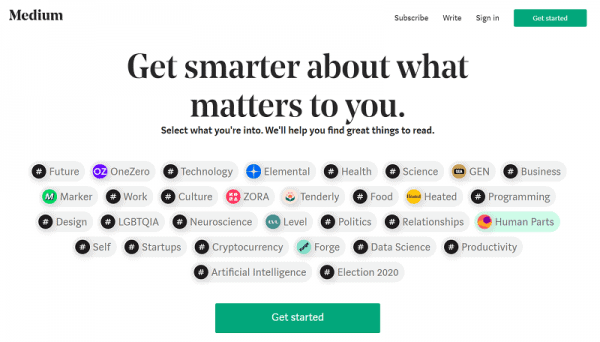
Medium is like a giant magazine where anyone can write. You do not have to design anything at all. You just type and hit publish.
It is great for people who only care about writing articles and reaching readers quickly. The site already has a lot of traffic. However, you cannot customize how your page looks or run your own ads.
6. Bravenet
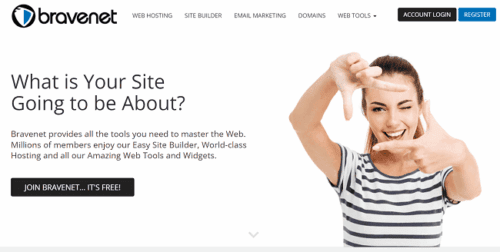
Bravenet is an older platform that gives you a drag-and-drop website builder. It is okay if you want a basic webpage and a blog together.
They offer free hosting, but they put their own ads on your site unless you pay. It is not as modern as the others, but it gets the job done for simple personal projects.
7. Live Journal

Live Journal is an old-school platform that feels more like a diary. It was huge back in the day for personal writing and talking with friends online. It is still around and has tight-knit communities.
If you want to write personal stories and talk to people in groups, it works, but it is not meant for professional business blogs.
8. Substack
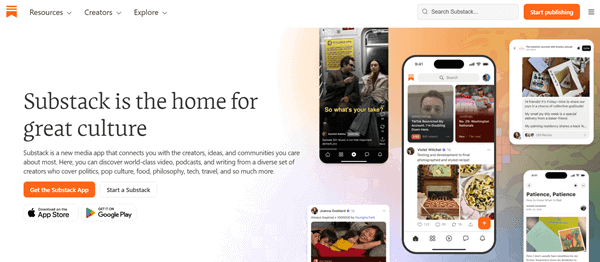
Substack is a great choice if you want to write and make money directly from your readers. It perfectly combines a traditional blog with an email newsletter. When you hit publish, your post goes straight to your subscribers’ inboxes.
It is super easy to set up since you don’t have to worry about website hosting or tricky designs. You just focus on writing. You can share posts for free to build an audience, or charge a monthly fee for your best stuff.
9. Joomla
Joomla is a very powerful tool for building websites. It is similar to WordPress.org, but it is a bit harder to learn.
This platform is great if you are building a big, complicated site with lots of different users logging in. If you just want a simple blog, it is probably too much work, but it is strong enough to handle almost anything.
10. Quora
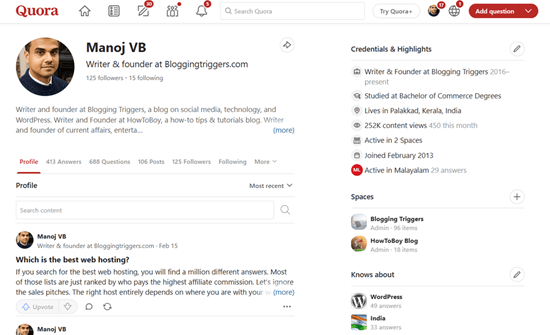
Quora is a famous social networking site mainly concentrating on questions and answers. We can create blog posts, monetize content, and attract new followers.
Adding tags to the posts is possible, which will help get more traffic. Quora blogs are easy to use, but customizations are not available. The total number of reaches will be shown along with the posts.
11. Silvrback

Silvrback is a paid platform made just for writers. It has a very clean, distraction-free look.
There are no heavy menus or confusing settings. It is perfect if you just want to focus on typing out your thoughts without messing with themes. You have to pay a yearly fee to use it, but it keeps things incredibly simple.
12. Postach.io
Postach is unique because it connects directly to Evernote. You just write your notes in Evernote, tag them as published, and they turn into blog posts on your site.
It is extremely fast if you already use Evernote for your daily tasks. It is best for quick updates and sharing ideas on the go.
13. Ghost

Ghost is made strictly for professional publishing. It is clean and very fast. It is a great alternative to WordPress if you hate dealing with bloated plugins.
There are built-in tools to help you charge readers for subscriptions, kind of like Substack. Ghost is not free, but it is excellent for serious writers who want a neat, modern site.
14. Wix
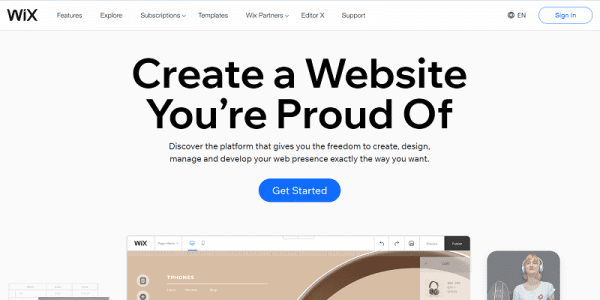
Wix is another free blogging platform to create any kind of website. It comes with drag-and-drop tools and HTML5 capabilities.
Their library contains at least 500 high-quality and mobile-optimized themes to meet all your needs. It gives you full control over the blog’s design with a huge collection of fonts, effects, galleries, and unlimited customization options.
15. Squarespace

Squarespace is a website builder famous for its beautiful designs. You do not need to know any code to make a stunning blog.
You just drag and drop pictures and text where you want them. It costs a monthly fee, but it covers your hosting and gives you great customer support. Squarespace is perfect for photographers, artists, and small businesses.
Some other popular blogging platforms are listed below:
16. Svbtle – A minimalist blogging platform since 2011
17. Movable Type – A weblog publishing software
18. Posthaven – A free Content Management System and blogging platform
19. Edu Blogs – Web publishing platform for students and teachers
20. Weebly – Free website builder to create professional-quality websites, blogs, and eCommerce stores
21. Website.IM – Another all-in-one website builder for businesses, bloggers, and merchants
22. Zoho – Stunning websites with advanced features
23. Yola – Build converting websites for businesses and sell products
24. Hub Pages – Write on any topic that you like
25. Jekyll – A open-source static site generator from plain texts
26. Contentful – A headless content management system to write and publish content for any platform
27. Penzu – A customizable online journal for writers
28. Exposure – Best for photo and video blogs
29. Duda – Leading website builder to create faster websites and boost sales
30. Emyspot – Easy to use platform to build blogs, online portfolios, booking sites, and online stores
31. Jimdo – Create blogs and online shops easily with all the tools you need
32. Drupal – Open source framework to design basic websites and applications
33. Bolt – A simple CMS for content creators and developers
34. Site123 – Design free websites and blogs using beautiful templates
35. Write.as – A clean and light-weight blogging platform
36. Shopify – Best for online stores and blogs linked to them
37. Strikingly – Another free website builder for mobile-friendly websites
38. uKit – A customizable website builder for businesses and sell online
39. Pixpa – Build amazing portfolio websites with online shops and blogs
40. Hexo – Intelligent blog framework to create blogs with beautiful themes
41. Voog – Developer-friendly platform to build websites, blogs, and eCommerce shops
42. Insane Journal – Write customizable diary notes and share them with friends
43. One – A customizable website builder with premium-quality templates and integrations
44. Odoo – All-in-one tool to create blogs, online shops, forums, and much more
45. Xanga – A blog-based social network for teenagers
46. Webnode – User-friendly website builder for any website type
47. Website – Create responsive websites easily
48. Facebook – Leading social network with blogging abilities
49. X – Premium users can write long-form articles and share them directly without leaving the platform.
50. LinkedIn – Career oriented social network to create branded pages and share blog posts
Final thoughts
There is no single “perfect” platform for everyone. The best choice simply depends on what you want to do. If you just want to write without any technical setup, a simple, ready-to-go site is your best bet. If you want branding and full control, setting up your own space is worth the extra effort.
Don’t let the long list overwhelm you. Pick two or three that sound good, test them out, and see how they feel. The most important step is simply getting your first post online!