Direct Answer
Personal brand examples show how professionals, entrepreneurs, and creators build recognition through their expertise, values, and communication style. Examples include Gary Vaynerchuk in marketing, Marques Brownlee in technology, and Seth Godin in thought leadership. Studying these personal brands helps you understand brand personality, create a clear personal brand statement, and develop a professional identity that connects with your target audience.
Building a personal brand takes more time than just creating a website. People need to understand what you do, what you know, and why they should pay attention to your work.
Look at successful entrepreneurs, creators, marketers, and educators. Each has developed a recognizable identity through their expertise, communication style, content, and professional activities. Their approaches offer practical lessons for anyone who wants to build a personal brand.
You don’t need millions of followers to get started. A clear focus, consistent communication, and genuine interest in your subject provide a practical foundation.
In this guide, you’ll discover personal brand examples, personal branding examples, personal brand statement examples, and tips to build a personal brand identity in step by step.
- What Is a Personal Brand?
- Personal Brand vs. Personal Branding
- Why Is Personal Branding Important?
- 14 Personal Brand Examples to Inspire You
- What Is Brand Personality?
- Personal Brand vs. Brand Personality
- 5 Brand Personality Examples
- Additional Brand Personality Examples
- How to Build a Personal Brand Online
- Conclusion
- FAQ
What Is a Personal Brand?
A personal brand is the professional identity people associate with you. It includes your expertise, values, communication style, and the subjects you discuss publicly. Your personal brand develops through your actions and the way people experience your work.
For example, someone who regularly publishes SEO tutorials may become associated with search engine optimization. A designer who shares creative business advice may develop a reputation around design and entrepreneurship.
Personal branding is the process of shaping and communicating that identity. It involves decisions about your content, professional positioning, online presence, and relationships.
Personal Brand vs. Personal Branding
Personal brand and personal branding are closely connected, but they have slightly different meanings.
Your personal brand is how people see and remember you based on your skills, experience, work, and personality. For example, people may know you as an SEO expert who helps businesses improve their search visibility.
Personal branding is the work you do to build that image. Writing SEO guides, sharing tips on LinkedIn, speaking about search trends, building a professional website, and connecting with other marketers are all part of personal branding.
Simply put, your personal brand is how people know you, while personal branding is what you do to shape that identity.
Why Is Personal Branding Important?
A clear personal brand helps people understand your professional focus. It gives your audience context when they encounter your name, content, or services.
Personal branding may support several goals:
- Building professional visibility.
- Demonstrating expertise.
- Attracting potential clients.
- Developing industry relationships.
- Supporting career opportunities.
- Creating a recognizable online presence.
These outcomes depend on your work, audience, and approach. Personal branding does not guarantee employment, business growth, or recognition.
The key is to communicate something meaningful about your professional identity rather than simply trying to become famous.
14 Personal Brand Examples to Inspire You
Studying established professionals provides ideas for developing your own identity. The people below work across marketing, technology, education, entrepreneurship, and personal development.
Each example focuses on a recognisable area of expertise and communication approach. The lessons are practical observations about their public work, not claims that every person follows a single formal branding strategy.
Don’t copy their personalities or business models. Use these examples to consider how your own skills, interests, and experiences could shape your professional identity.
1. Gary Vaynerchuk (GaryVee)

Industry: Entrepreneurship, marketing, and social media
Website: garyvaynerchuk.com
Gary Vaynerchuk, widely known as GaryVee, has built a public identity around entrepreneurship, marketing, and content creation. His communication style is direct, energetic, and focused on business and action.
His personal brand spans social media, video content, books, speaking engagements, and business activities. He regularly discusses entrepreneurship, marketing, and the challenges involved in building a business.
What You Can Learn
A recognisable communication style helps an audience associate a person with particular subjects and ideas.
If you are an entrepreneur, you might focus on sharing business lessons, industry observations, or experiences from your own work. Your approach should reflect your personality and actual knowledge.
Personal branding lesson: Develop a clear subject focus and a communication style that feels natural to you.
2. Neil Patel
Industry: SEO and digital marketing
Website: neilpatel.com
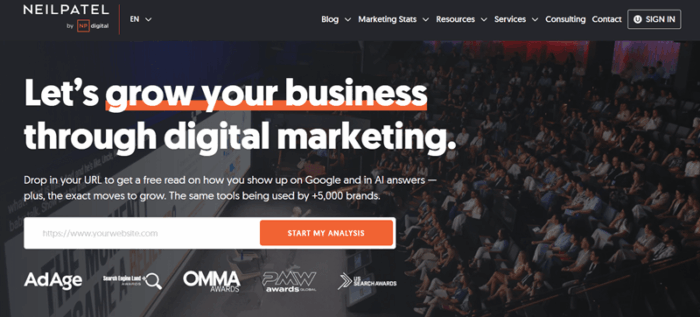
Neil Patel is a well-known digital marketing entrepreneur and SEO educator. His public work includes marketing tutorials, blog posts, videos, and software-related resources.
His content focuses on helping businesses understand topics such as search engine optimization, content marketing, and online growth.
This approach connects professional expertise with educational content. Readers looking for marketing information have a clear reason to visit his website.
What You Can Learn
Educational content provides a practical way to demonstrate your knowledge.
You don’t need to discuss every subject in digital marketing. You could focus on technical SEO, local SEO, content writing, or marketing for small businesses.
Choose a topic you understand and create content that answers real questions.
Personal branding lesson: Build recognition through helpful content focused on a defined area of expertise.
3. Marie Forleo
Industry: Entrepreneurship and personal development
Website: marieforleo.com
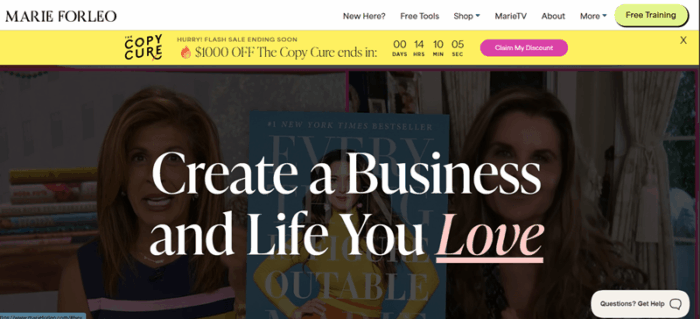
Marie Forleo has developed a public identity around entrepreneurship, personal development, and education. Her work includes books, online programs, interviews, and business-related content.
Her communication style combines professional advice with an approachable presentation. This helps connect business education with personal development.
Her example illustrates how personal branding may bring together expertise, teaching, and personality.
What You Can Learn
Your brand doesn’t need to sound formal in every situation. The way you explain ideas should suit your audience and professional goals.
An entrepreneur who teaches beginners may use a friendly and encouraging style. A financial consultant may choose a more analytical presentation.
Personal branding lesson: Let your communication style support the experience you want your audience to have.
4. Simon Sinek

Industry: Leadership and communication
Website: simonsinek.com
Simon Sinek is recognized for his work on leadership, purpose, and organizational communication. His books, talks, and educational resources explore how people and organizations approach leadership.
His public identity connects with recurring ideas about purpose and meaningful work.
This illustrates how a professional may become associated with a set of concepts over time.
What You Can Learn
A clear point of view helps people understand the ideas you regularly discuss.
For example, a technology writer might focus on privacy, accessible technology, and digital literacy. A business consultant might focus on customer experience and sustainable growth.
Personal branding lesson: Develop recurring themes that reflect your expertise and interests.
5. Brené Brown
Industry: Research, leadership, and personal development
Website: brenebrown.com
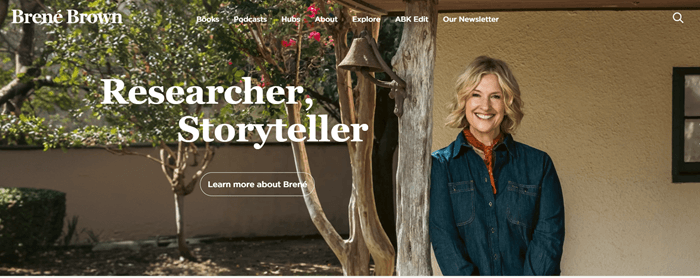
Brené Brown is known for her research and public work on vulnerability, courage, empathy, and leadership. Her books, talks, podcasts, and educational resources have contributed to her professional identity.
Her example shows how research-based expertise may connect with accessible communication.
A professional does not need to remove personality from educational content. Clear explanations and relatable examples help readers understand complex ideas.
What You Can Learn
Your experience and knowledge provide the foundation for a credible personal brand.
If you have expertise in a particular field, share insights that help your audience understand the subject. Explain ideas clearly and support professional claims with evidence.
Personal branding lesson: Connect your expertise with communication that your audience understands.
6. Ali Abdaal

Industry: Productivity, learning, and entrepreneurship
Website: aliabdaal.com
Ali Abdaal is a creator and entrepreneur known for content about productivity, learning, and building an online business.
His public work includes videos, books, courses, and educational resources. He focuses on topics that appeal to people interested in improving their work and learning habits.
His example shows how a creator may develop a recognizable identity around a specific group of subjects.
What You Can Learn
You can build a content strategy around questions your audience regularly asks.
A productivity creator might discuss time management, note-taking, and study techniques. A technology creator might explain software, apps, and digital workflows.
Personal branding lesson: Choose content themes that connect your knowledge with audience needs.
7. Chris Do
Industry: Design and creative business
Website: thefutur.com
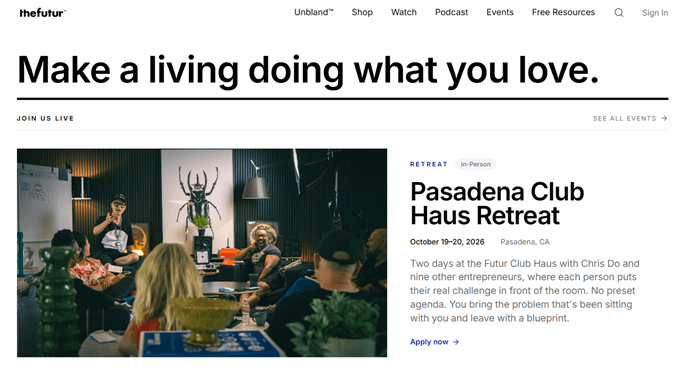
Chris Do is a designer, educator, and entrepreneur associated with The Futur, a platform focused on creative business and design education.
The Futur supports this identity through educational videos, courses, coaching, and community programs. Its content gives people a way to learn from Chris Do while helping establish his expertise in the creative business space.
His public work combines design knowledge with discussions about pricing, communication, business development, and creative careers.
This creates a professional identity that extends beyond design production into education and business advice.
What You Can Learn
Your personal brand may include related skills that support your primary profession.
For example, a graphic designer might also teach client communication, project pricing, and portfolio development. These subjects may help define the type of audience they want to reach.
Personal branding lesson: Connect related areas of expertise when they support a clear professional direction.
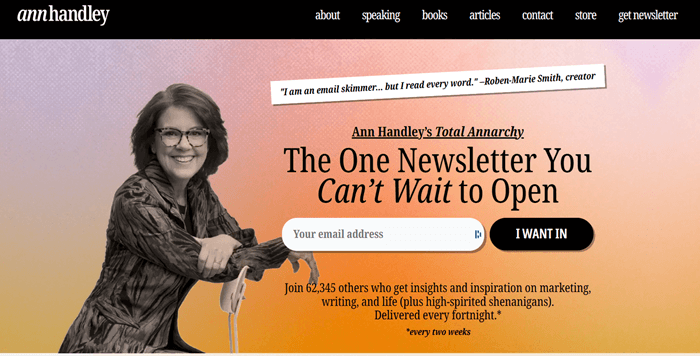
8. Ann Handley
Industry: Writing and content marketing
Website: annhandley.com
Ann Handley is a marketing expert, author, and speaker known for her work in content and communication.
Her public identity connects writing expertise with marketing education. She publishes content and shares advice for people working in marketing and business communication.
Her example is relevant for writers who want to develop a professional identity through their work.
What You Can Learn
Writing style contributes to how people recognize your content.
You can develop a consistent voice through:
- Blog posts.
- Newsletters.
- Social media updates.
- Educational guides.
- Professional presentations.
Your style should remain understandable and appropriate for your readers.
Personal branding lesson: Use your writing and communication skills to express your professional identity.
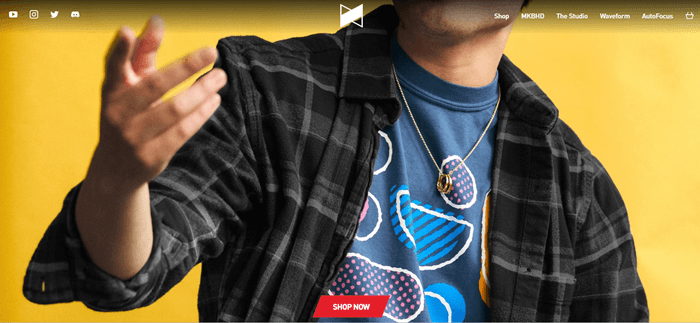
9. Marques Brownlee (MKBHD)
Industry: Technology content creation
Website: mkbhd.com
Marques Brownlee, known as MKBHD, is a technology creator recognized for product reviews and technology-related video content.
His public work focuses on consumer technology, including smartphones, computers, and other products. His content is associated with technology reviews and video production.
This example is particularly relevant to aspiring technology creators.
What You Can Learn
A clear subject focus helps audiences understand why they should follow your content.
You could focus on:
- Smartphone reviews.
- Productivity software.
- Privacy tools.
- AI applications.
- Computer hardware.
Your chosen topic should match your knowledge, interests, and available resources.
Personal branding lesson: Develop a recognizable identity around a subject you genuinely enjoy covering.
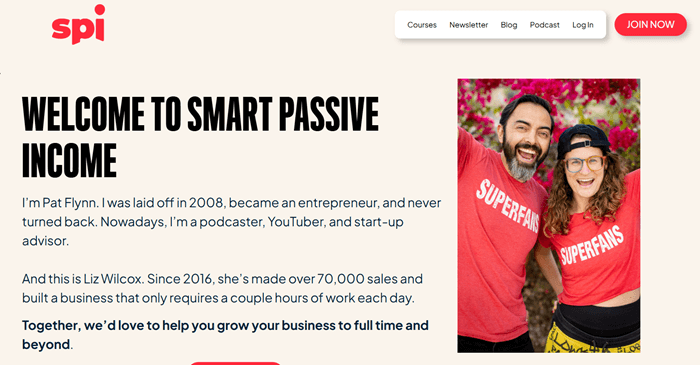
10. Pat Flynn
Industry: Entrepreneurship and online business education
Website: smartpassiveincome.com
Pat Flynn is an entrepreneur and educator associated with online business, entrepreneurship, and digital education.
His work includes educational content, podcasts, and resources for people interested in building online businesses.
His example shows how a personal brand may connect professional experience with teaching and community-building activities.
What You Can Learn
Sharing your experience may help readers understand your professional journey.
You could document how you learn SEO, launch a website, develop a freelance business, or create digital products. Focus on accurate experiences and clear lessons.
Personal branding lesson: Use your professional journey to create educational content that serves your audience.
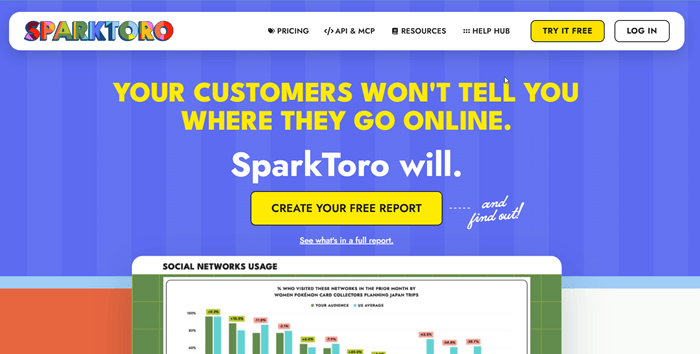
11. Rand Fishkin
Industry: SEO and technology entrepreneurship
Website: sparktoro.com
Rand Fishkin is known for his work in SEO, marketing, and software entrepreneurship. He co-founded Moz and later co-founded SparkToro.
His public work includes marketing insights, industry discussions, and educational content.
His example is relevant for professionals who want to build recognition through industry knowledge and public communication.
What You Can Learn
Your professional identity may develop through a combination of practical experience and published insights.
For example, an SEO professional could share:
- Website audits.
- Search engine updates.
- Content strategy lessons.
- Marketing experiments.
- Industry analysis.
Personal branding lesson: Use your experience to explain industry topics and develop a clear professional focus.
12. Justin Welsh

Industry: Entrepreneurship and creator education
Website: justinwelsh.me
Justin Welsh is known for content about solopreneurship, online business, and creator-led entrepreneurship.
His public work focuses on building a business around expertise, content, and digital products.
This example is relevant to freelancers, independent professionals, and creators who want to develop a business connected to their knowledge.
What You Can Learn
A focused professional identity helps your audience understand your subject area.
A freelancer might specialize in SEO writing for SaaS companies. A consultant might focus on marketing for local businesses. A creator might teach beginners how to use productivity software.
Personal branding lesson: Connect your expertise with a specific audience and professional goal.
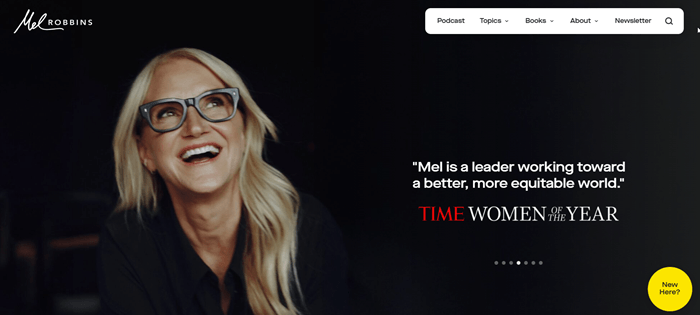
13. Mel Robbins
Industry: Personal development and education
Website: melrobbins.com
Mel Robbins is an author, speaker, and creator known for content about personal development and behavioral change.
Her work includes books, podcasts, and educational resources. Her public identity connects personal development ideas with accessible communication.
What You Can Learn
A professional brand may include a clear topic focus and a consistent approach to explaining ideas.
If you teach productivity, career development, or business skills, consider how your presentation style supports your audience’s learning experience.
Personal branding lesson: Make your educational content understandable, relevant, and consistent with your professional focus.
14. Seth Godin
Industry: Marketing, publishing, and entrepreneurship
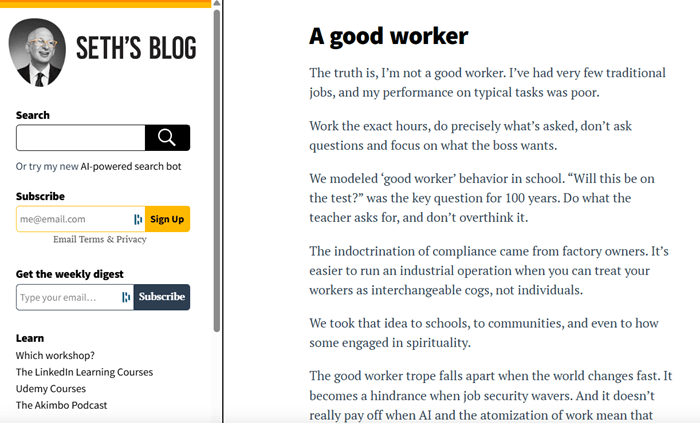
Website: seths.blog
Seth Godin is an author and entrepreneur known for his work on marketing, leadership, creativity, and business.
His website features a long-running blog, and his public work includes books, talks, and educational resources.
His example illustrates how publishing and recurring ideas may contribute to professional recognition.
What You Can Learn
Publishing regularly gives you opportunities to develop your ideas and communicate your expertise.
You don’t need to publish every day. Choose a schedule that suits your time and the quality of content you want to produce.
Personal branding lesson: Build a publishing habit that supports your professional goals.
What Is Brand Personality?

Brand personality refers to the human traits people associate with a brand. These traits shape how a brand communicates and how people feel about it. For example, a brand may appear friendly, professional, creative, playful, or adventurous.
Brand personality applies to businesses and individuals. A company might use a friendly tone in its marketing, while an SEO expert might build a professional identity by sharing clear, helpful advice.
Your personal brand and brand personality are closely connected, but they have different meanings. Your personal brand reflects how people recognize you and your expertise. Your brand personality describes the traits you express through your communication, content, and behavior.
A clear brand personality helps you develop a consistent voice across your website, social media profiles, and other platforms. Choose traits that reflect your values and suit your target audience. This helps people understand what to expect from you and makes your personal brand easier to recognize.
Personal Brand vs. Brand Personality
Your personal brand is how people recognize and remember you professionally. It reflects your skills, experience, values, and expertise.
Your brand personality describes the human traits you express through your communication and behavior. You might appear friendly, professional, creative, or analytical.
For example, an SEO expert may build a personal brand around search engine optimization and express a friendly personality by sharing simple tutorials and practical tips.
In simple terms, your personal brand defines who you are professionally, while your brand personality describes how you present yourself to others. Both help you create a recognizable identity across your website, social media profiles, and other platforms.
5 Brand Personality Examples
The following brand personality examples illustrate how established companies communicate recognizable traits. These descriptions refer to public positioning and communication themes, not objective judgments about every customer interaction.
1. Sincere and Friendly
Sincere brands communicate honesty, warmth, and care. They aim to build trust through clear messaging and a relatable image. These brands usually focus on customer needs and make people feel comfortable interacting with them.
Example: Dove

Dove runs campaigns focused on self-confidence, inclusivity, and natural beauty. Its messaging presents the brand as caring and approachable. This personality helps Dove connect with people who value self-acceptance and positive body image.
Personal branding tip: Be honest about your experience, communicate in a friendly tone, and keep your promises. People are more likely to trust your personal brand when your words match your actions.
2. Bold and Exciting
Bold brands express energy, ambition, and confidence. They encourage people to take action, challenge limits, and pursue their goals. Their marketing may use powerful visuals, active language, and stories about achievement.
Example: Nike

Nike connects its brand with sports, motivation, and personal achievement. Its campaigns encourage people to push themselves and work toward their goals. This energetic personality helps Nike appeal to athletes and people who enjoy an active lifestyle.
Personal branding tip: Share your ideas with confidence and communicate your goals clearly. If you want to build an energetic personal brand, create content that inspires your audience and encourages them to take practical steps.
3. Competent and Reliable
Competent brands focus on expertise, quality, and dependability. They want customers to feel confident about their products or services. Their communication usually highlights performance, professional knowledge, and solutions to customer problems.
Example: Apple

Apple presents its products through polished designs, detailed product information, and technology-focused messaging. Its public image connects with innovation, quality, and ease of use. These qualities support a perception of competence and reliability.
Personal branding tip: Demonstrate your knowledge through practical advice, accurate information, and examples of your work. If you are a financial advisor, explain financial concepts in simple language, share budgeting tips, and help people understand investment risks. Clear explanations and honest communication help people recognize your expertise and build trust in your personal brand.
4. Sophisticated and Elegant
Sophisticated brands communicate refinement, exclusivity, and premium quality. They pay close attention to design, presentation, and the experience associated with their products. Their messaging usually avoids a casual or overly playful tone.
Example: Rolex

Rolex is associated with luxury watches, craftsmanship, and precision. Its products and marketing present a premium image that appeals to customers who value design, heritage, and status.
Personal branding tip: Present your work professionally and maintain a consistent visual identity. Use clear writing, a well-designed website, and a polished portfolio. A sophisticated personal brand should reflect genuine expertise and quality, not just expensive visuals.
5. Rugged and Adventurous
Rugged brands express toughness, durability, and a connection with outdoor activities. Their communication may feature challenging environments, physical activity, and products designed for demanding conditions. This personality appeals to people who value exploration and resilience.
Example: Jeep

Jeep promotes vehicles associated with off-road driving and outdoor adventure. Its brand image connects with exploration, freedom, and the ability to handle challenging terrain.
Personal branding tip: If your work involves outdoor activities, travel, fitness, or hands-on projects, share experiences that reflect those interests. Use real stories and practical lessons to communicate your personality. Your personal brand should reflect your actual lifestyle and expertise rather than an image you cannot support.
Additional Brand Personality Examples
Additional brand personality traits help you explain how a brand communicates with its audience.
Traits such as playful, innovative, inspirational, and creative describe the tone and character people associate with a brand.
These examples can also inspire you to develop your personal brand and choose a communication style that reflects your skills, values, and target audience.
6. Playful and Humorous
Playful brands use humor, entertaining content, and casual language to connect with their audience. Their communication feels lighthearted and approachable.
Example: Duolingo

Duolingo uses its green owl mascot, humorous social media posts, and playful videos to make language learning feel entertaining. Its distinctive online personality helps the brand stand out.
Personal branding tip: Use humor, relatable stories, and conversational language if they suit your personality and audience. Keep your content respectful and relevant to your subject.
7. Innovative and Forward-Thinking
Innovative brands focus on new ideas, creative solutions, and emerging technology. They present themselves as curious, adaptable, and willing to explore new possibilities.
Example: Tesla

Tesla’s public image connects with electric vehicles, technology, and automotive innovation. Its products and marketing emphasize a shift toward electric transportation.
Personal branding tip: Share your experiments, discuss emerging trends, and explain new tools in your field. If you work in SEO, you might publish practical insights about AI search, automation, and changes in search behavior.
8. Inspirational and Motivational
Inspirational brands encourage people to pursue goals, overcome challenges, and improve their lives. Their content frequently focuses on personal growth, achievement, and positive change.
Example: Adidas

Adidas connects its brand with sports, performance, and self-expression. Its campaigns feature athletes and creators who pursue their goals through practice and dedication.
Personal branding tip: Share lessons from your professional journey and encourage your audience to take practical steps. Keep your advice realistic and support motivational messages with examples.
9. Educational and Knowledgeable
Educational brands focus on sharing knowledge and helping people understand a subject. They use tutorials, guides, demonstrations, and explanations to establish credibility with their audience.
Example: Khan Academy
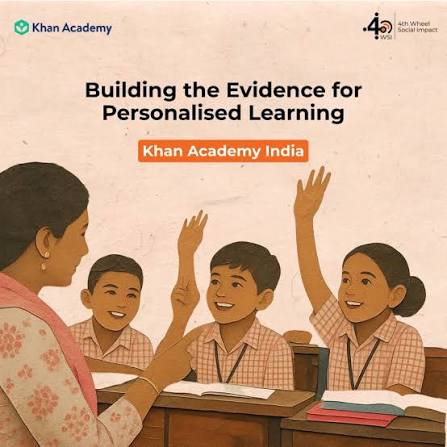
Khan Academy provides educational resources across subjects such as mathematics, science, and computing. Its learning-focused approach makes education the central part of its public identity.
Personal branding tip: Explain complex topics in simple language. Publish tutorials, answer common questions, and share practical examples. This approach suits educators, consultants, SEO experts, and content creators who want to demonstrate their knowledge.
10. Caring and Supportive
Caring brands emphasize customer well-being, community, and personal support. Their communication aims to make people feel understood and respected.
Example: Headspace

Headspace uses approachable illustrations and accessible language to introduce meditation and mindfulness. Its presentation makes these subjects feel less intimidating to beginners.
Personal branding tip: Listen to your audience, answer questions thoughtfully, and create content that addresses real concerns. Show care through your actions, not just your words.
11. Professional and Authoritative
Authoritative brands communicate expertise, experience, and confidence. They use clear language, reliable information, and evidence to establish credibility.
Example: IBM

IBM presents itself as an enterprise technology company with expertise in areas such as AI, cloud computing, and business solutions. Its professional communication targets organizations seeking technology services.
Personal branding tip: Share accurate information, explain your reasoning, and demonstrate your expertise through your work. Avoid exaggerated claims. Your professional reputation should reflect your actual skills and experience.
12. Creative and Artistic
Creative brands emphasize imagination, original thinking, and visual expression. Their identity often appears through distinctive design, unusual ideas, and engaging storytelling.
Example: Adobe

Adobe connects its brand with digital creativity through software used for graphic design, photography, video editing, and illustration. Its products support people who create visual and digital content.
Personal branding tip: Show your creative process, share original work, and explain the thinking behind your decisions. A portfolio helps people understand your style and skills.
How to Build a Personal Brand Online

Your personal brand develops through the professional activities you undertake and the way you communicate with your audience.
A website, social media profile, or portfolio provides a place to present your work. However, these platforms are only part of the process.
Focus on creating a consistent professional identity across the channels that support your goals.
Optimize Your LinkedIn Profile
LinkedIn provides a platform for professional networking and sharing industry content.
Review the following sections:
- Profile photo.
- Professional headline.
- About section.
- Work experience.
- Featured content.
- Skills.
Your headline should explain your professional focus. The About section provides room to describe your experience, interests, and goals.
For example, a graphic designer might use a headline that highlights brand identity design, visual communication, and creative problem-solving.
Create a Personal Website
A personal website provides a home for your professional identity.
Depending on your goals, you might include:
- Homepage.
- About page.
- Portfolio.
- Blog.
- Services page.
- Contact page.
A freelancer can use the website to present services and work samples. A technology writer might publish tutorials and reviews.
Your website should communicate your professional focus clearly.
Publish Content Consistently
Content provides an opportunity to demonstrate your knowledge.
You could publish:
- Blog posts.
- Tutorials.
- Case studies.
- Videos.
- Newsletters.
- Industry insights.
Choose a publishing schedule you can maintain.
A writer who publishes one detailed article every week may develop a more sustainable routine than someone who publishes daily without enough time for research and editing.
Develop a Consistent Visual Identity
Visual elements contribute to how people recognize your professional presence.
You might use consistent:
- Profile images.
- Typography.
- Color choices.
- Website design.
- Presentation layouts.
Your visual identity should support your content and professional positioning.
A clean design may suit a technology consultant. A creative designer may choose a more expressive presentation.
Engage With Your Professional Community
Personal branding also involves interaction.
Participate in relevant discussions, share thoughtful insights, and connect with professionals in your field.
For example, an SEO writer might participate in content marketing discussions. A developer might contribute to technical communities.
Focus on genuine participation rather than treating every interaction as a promotional opportunity.
Conclusion
Building a personal brand starts with understanding what makes you unique. The personal brand examples in this guide show how professionals, entrepreneurs, and creators use their expertise, communication style, and content to build recognition.
You don’t need to copy a famous personality or gain thousands of followers to get started. Focus on your skills, choose an audience you want to reach, and share knowledge that helps them. Develop a clear personal brand statement and maintain a consistent voice across your website and social media profiles.
Remember, your personal brand grows through your work, your values, and the way you interact with people. Start with a simple plan, keep learning, and improve your approach as you gain experience.
Which personal brand inspires you the most? Share your favorite example in the comments!